Stories

Show search input

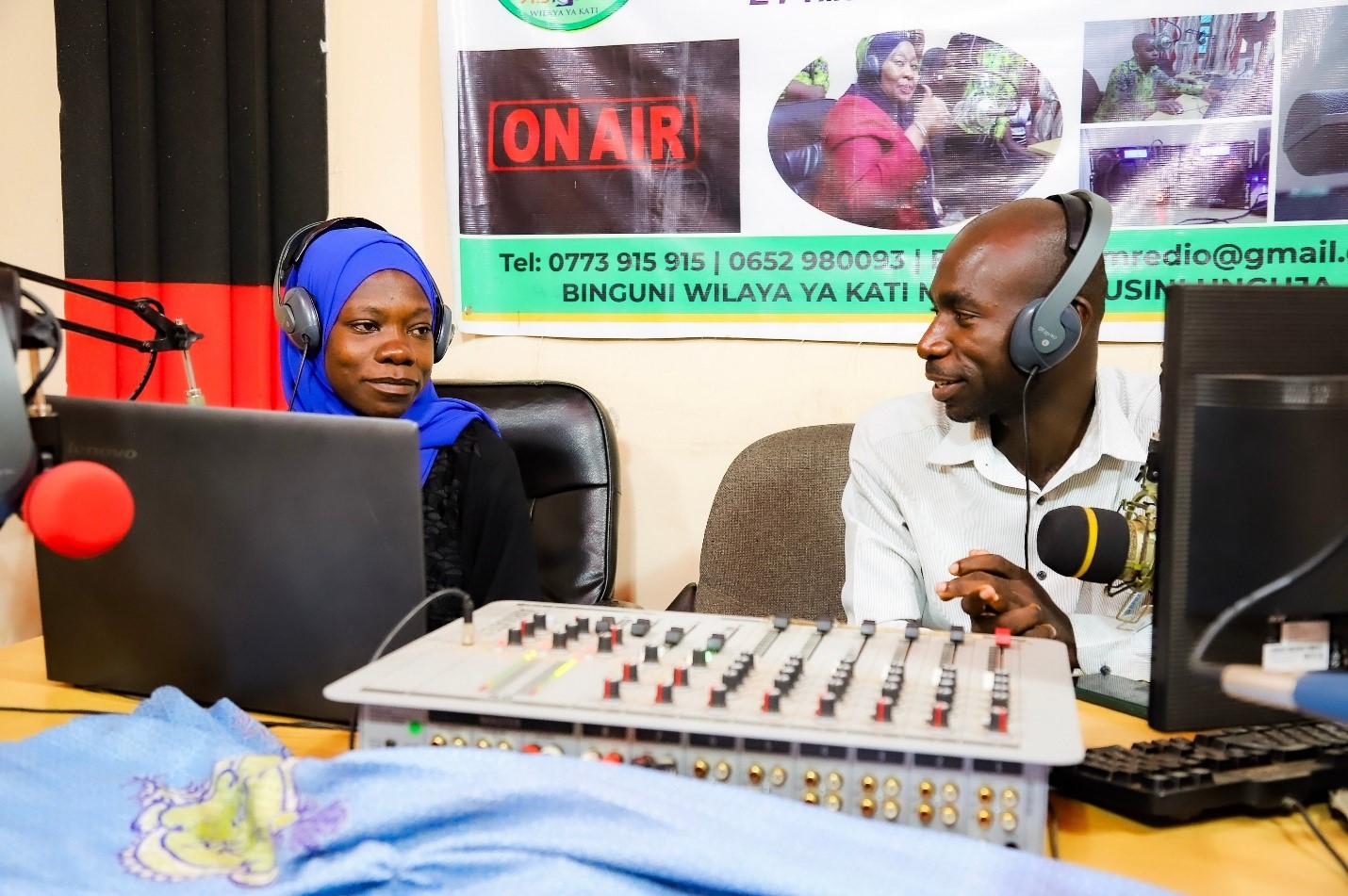
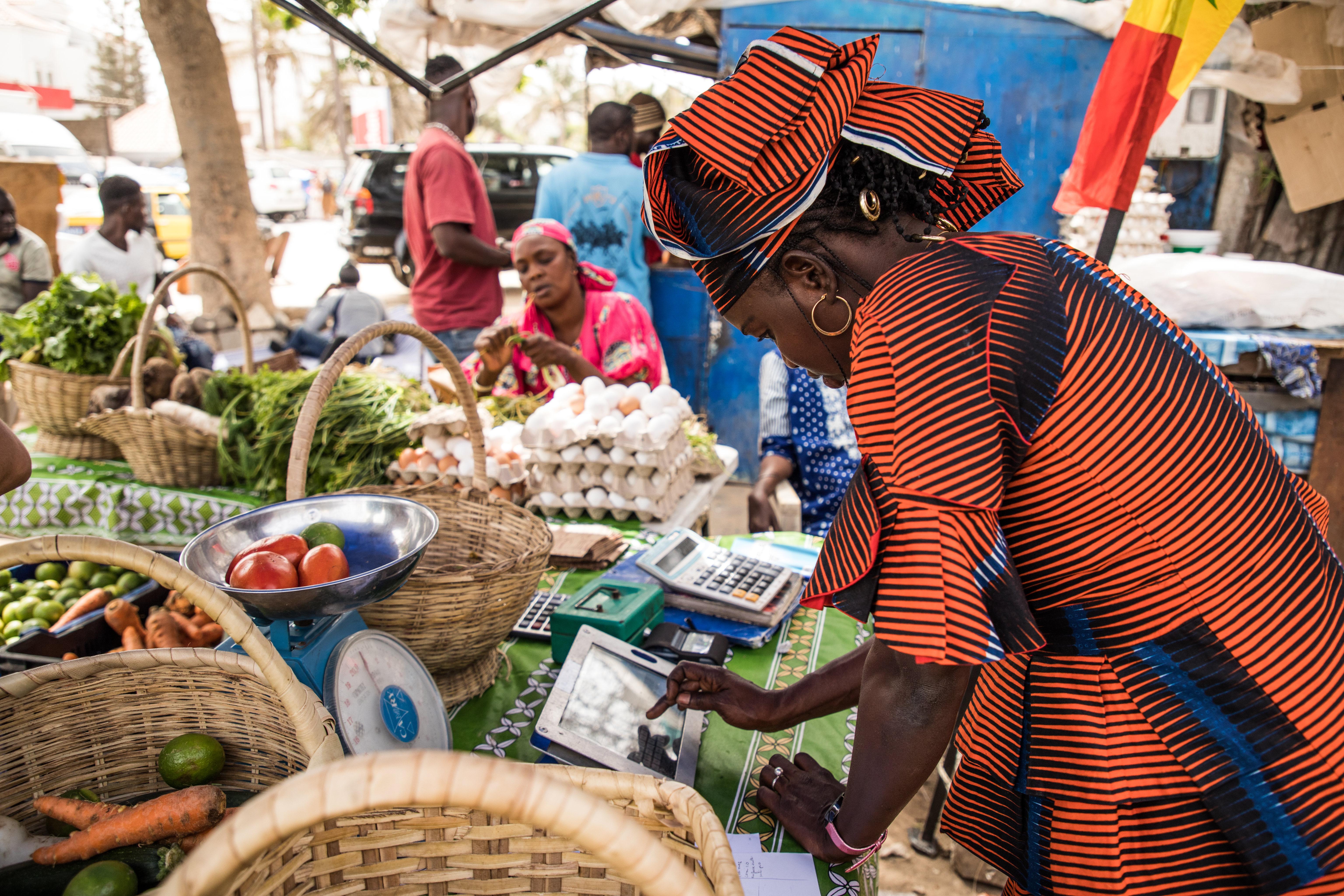
Community radio stations in Zanzibar, Tanzania, have emerged as powerful platforms for raising awareness and driving action to prevent and respond to gender-based violence (GBV), by disseminating monthly verified GBV data produced thanks to a UN Women collaboration with the Zanzibar Office of the Chief Government Statistician (OCGS).
READ MORE IMPACT STORIES >

Indigenous women of Guatemala’s Polochic valley, who are part of a UN programme to diversify incomes. ©UN Women/Ryan
Research highlight|Economic empowerment
Poverty is not gender-neutral
A nomadic woman herding goats in Mongolia. The Mongolian National Statistics Office, supported by Woman Count, has gathered data to understand the specific needs and challenges faced by women herders due to changing environmental factors. ©FAO/K.Purevraqchaa
Research highlight|Gender data gaps
Data on gender: seeing the true picture
Women in Mexico City  joined the 25th of November demonstration raising awareness towards the elimination of violence against women and girls. Photo: UN Women/Dzilam Méndez
Research highlight|Ending violence against women
The power of women's activism: protests against gender-based violence during COVID-19
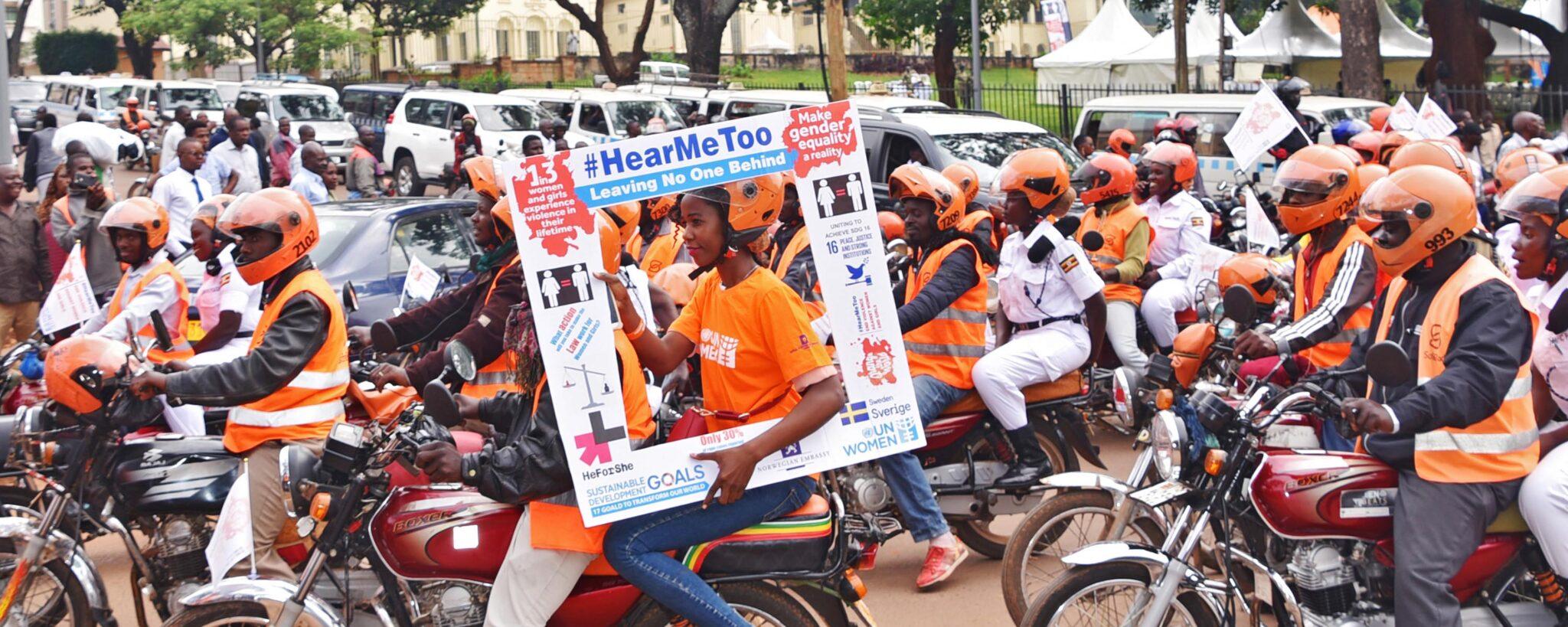
People in Uganda commemorate the 16 Days of Activism against Gender-Based Violence with a bike ride. Photo: UN Women/Martin Ninsiima
Impact story|Ending violence against women
Uganda’s violence against women survey heralds legislative and policy changes
A woman in Colombia picks Coffee beans. Photo: UN Women/Ryan Brown
Impact story|Ending violence against women
COVID-19 survey on violence against women in Colombia heralds local-level data and changes
UN Security Council during the Open Debate on Women, Peace and Security in 2019. Photo: UN Women/Ryan Brown
Gender data story|Peace and security
Women at the UN Security Council: a sea change in numbers
Students on the grounds of the Angelina Jolie Primary School in Kakuma refugee camp, Kenya. Photo: UN Women/Ryan Brown
Gender data story|SDG monitoring
Leaving no girl behind in education
Chandra Kala Thapa works in the fields near Chatiune Village in Sindhuli Disrict, Nepal.     Photo: UN Women/Narendra Shrestha
Research highlight|SDG monitoring
It will take 22 years to close SDG gender data gaps