New global and regional data (forthcoming) reveal that women account for only 27 per cent of chief statisticians in national statistical offices (NSOs) worldwide, underscoring a persistent gender gap at the apex of official statistics. And the regional disparities are pronounced: women hold 38–40 per cent of chief statistician positions in Europe and North America and in Latin America and the Caribbean (LAC), compared with only 14 and 15 per cent in Central and Southern Asia and sub-Saharan Africa respectively.
Share of national statistical offices led by women, by SDG region, 2025
These gaps widen further by income level: women account for around 28–31 per cent of chief statisticians in high- and upper-middle-income countries, compared with 27 per cent in lower-middle-income countries and just 7 per cent in low-income countries, highlighting how gender gaps in statistical leadership widen as resource constraints increase.
At the international level, women similarly account for around 28 per cent of chief statisticians in the UN and other organizations, closely mirroring global NSO leadership patterns.
After nearly two decades in the Philippines statistical agency – from entry-level roles to leading the country’s gender and social statistics – I’ve seen first-hand how career progression unfolds in practice. Leadership is shaped not only by expertise and management skills, but by institutional arrangements: how posts are classified, how budgets are allocated, and how people are recruited, developed and recognized. This insight shaped my design of the Women Count programme’s Training Course on Forging Pathways to Gender Equality in Statistical Leadership.
Without systemic changes, training risks preparing women for roles that are not yet open to them. This course, completed in 2025 and being rolled out this year, reframes leadership not as an individual deficit to be corrected, but as a system to be reshaped for diverse leadership to thrive. It brings together statistical leaders, human resource officials and institutional decision-makers to strengthen enabling environments and open pathways for more gender-responsive leadership.
“Becoming chief statistician was an important step, but I’ve learned that leadership is about more than the role itself. How ideas are heard and taken forward often depends on institutional culture and long-established ways of working,” says Hang Lina, former Chief Statistician/Director General of the National Institute of Statistics of Cambodia. Her reflections – shared during consultations that helped shape course design – underscore how complex institutional environments influence statistical leadership.
In the LAC region, evidence from a survey of more than 13,000 NSO employees across 14 countries indicates that women constitute 54 per cent of the NSO workforce – including over 60 per cent of administrative and support staff – and are roughly evenly represented in technical-professional roles. Yet they hold fewer than half of managerial and senior leadership positions – demonstrating that the leadership gap is not about women’s entry into statistical systems, but about progression shaped by institutional structures. Recruitment, promotion and management practices shape who advances to senior roles, often reinforcing continuity and informal norms rather than transparent, merit-based progression.
This diagnosis underpins the rationale for Women Count’s global statistical leadership training course, as well as regional efforts such as the High-Level Regional Women’s Leadership Strengthening Programme, developed by UN Women’s Women Count programme, the Community of Female Leaders of National Statistical Offices of Latin America and the Caribbean, and the Knowledge Transfer Network of the Statistical Conference of the Americas and scheduled for roll-out in LAC this year.
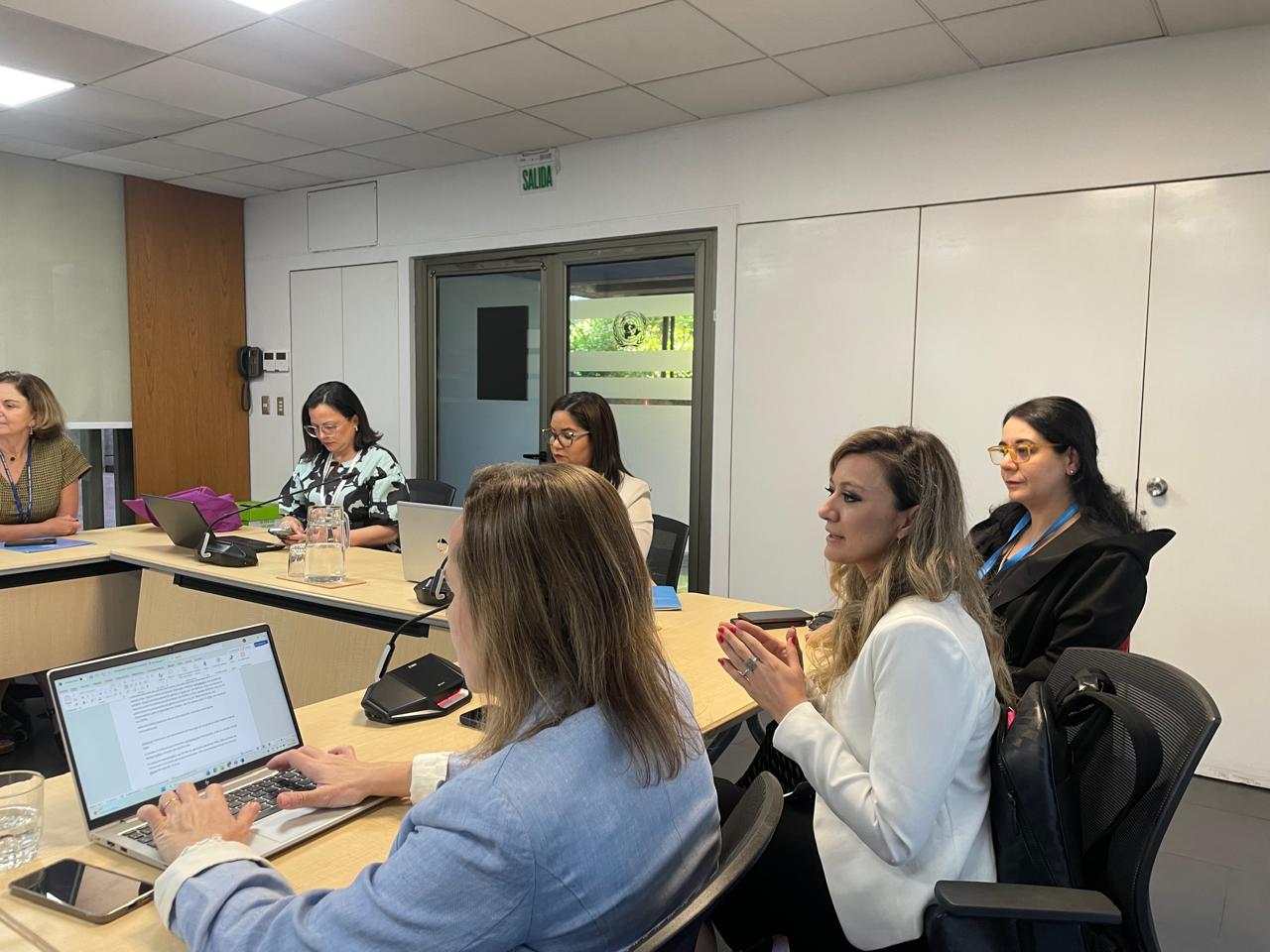
“These efforts reflect a clear demand to move from diagnosis to action,” says Andrea Llerena, who leads the Women Count regional programme in LAC. “We believe that this course will not only empower more women to lead in statistics, but equip them with leadership beyond technical expertise, so they can influence decisions and drive transformational change.”
This regional momentum will also be reflected in an upcoming side event at the 57th session of the United Nations Statistical Commission, led by regional and global programme partners.
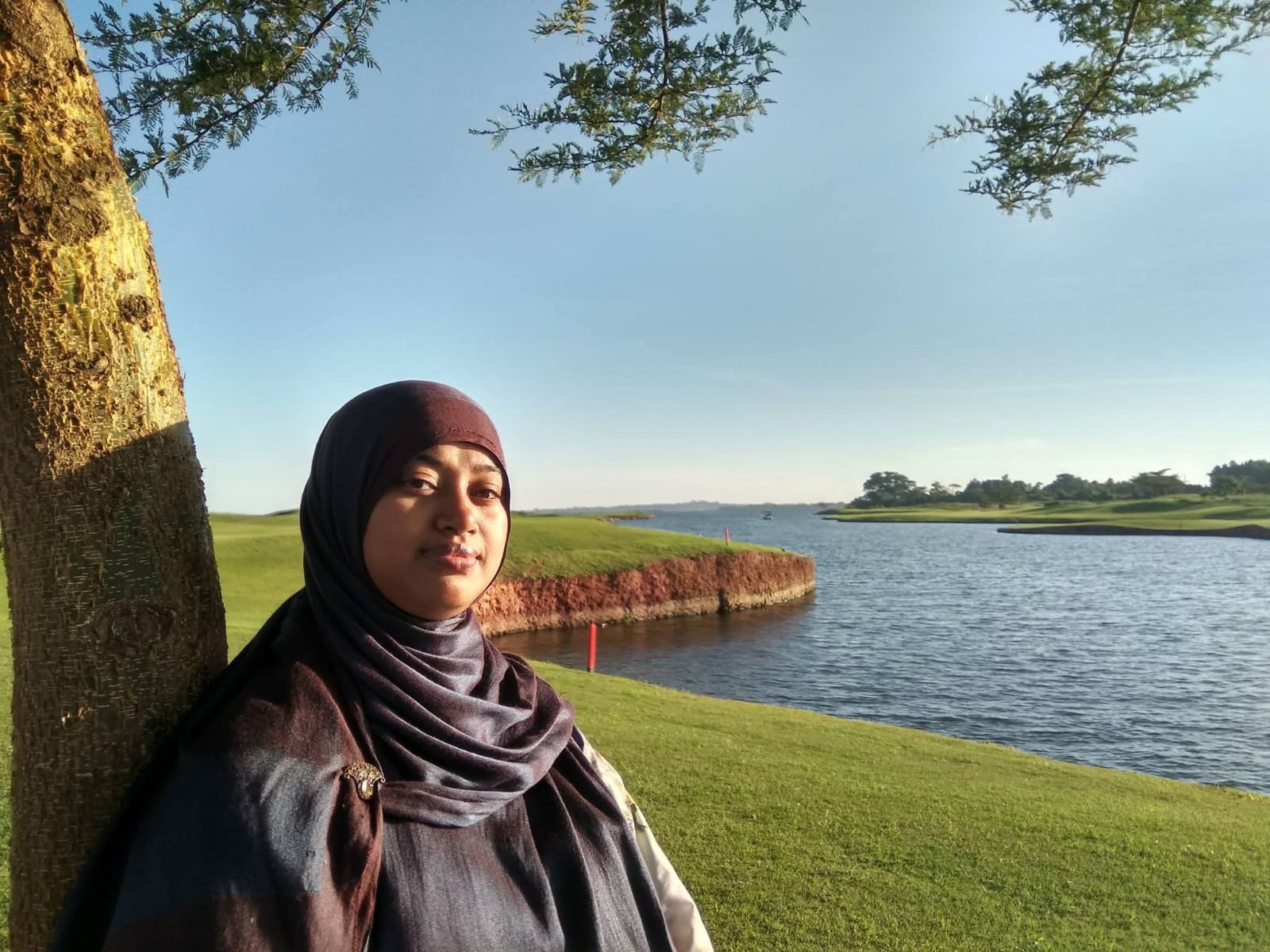
Women Count is also advancing “Women who Count” – a new editorial series shining a spotlight on women in statistical leadership, to connect individual leadership journeys with broader structural lessons and support system-level change. The series’ first interview is with Asma Akhter, the Deputy Director of the Demography and Health Wing of the Bangladesh Bureau of Statistics (BBS).
“We require institutional commitment, political will, sustained funding, a culture of accountability and a shift in our attitudes, mindsets and behaviour,” shares Akhter. “Most importantly, we need to nurture a new generation of women leaders in statistics who will carry this vision forward.”
Her message underscores the reality that closing the leadership gap in official statistics requires sustained attention to how leadership is enabled, exercised and recognized across statistical systems. While training plays an important role, progress ultimately depends on institutional choices – how roles are structured, how authority is shared and how leadership pathways are opened over time. The goal is not to pursue parity alone, but to help build environments where ideas are heard, contributions are taken forward and leadership is defined not only by title, but by influence.
Women who count
Read the profile of Asma Akhter, Deputy Director of the Demography and Health Wing of the Bangladesh Bureau of Statistics as the first in the series "Women who count".