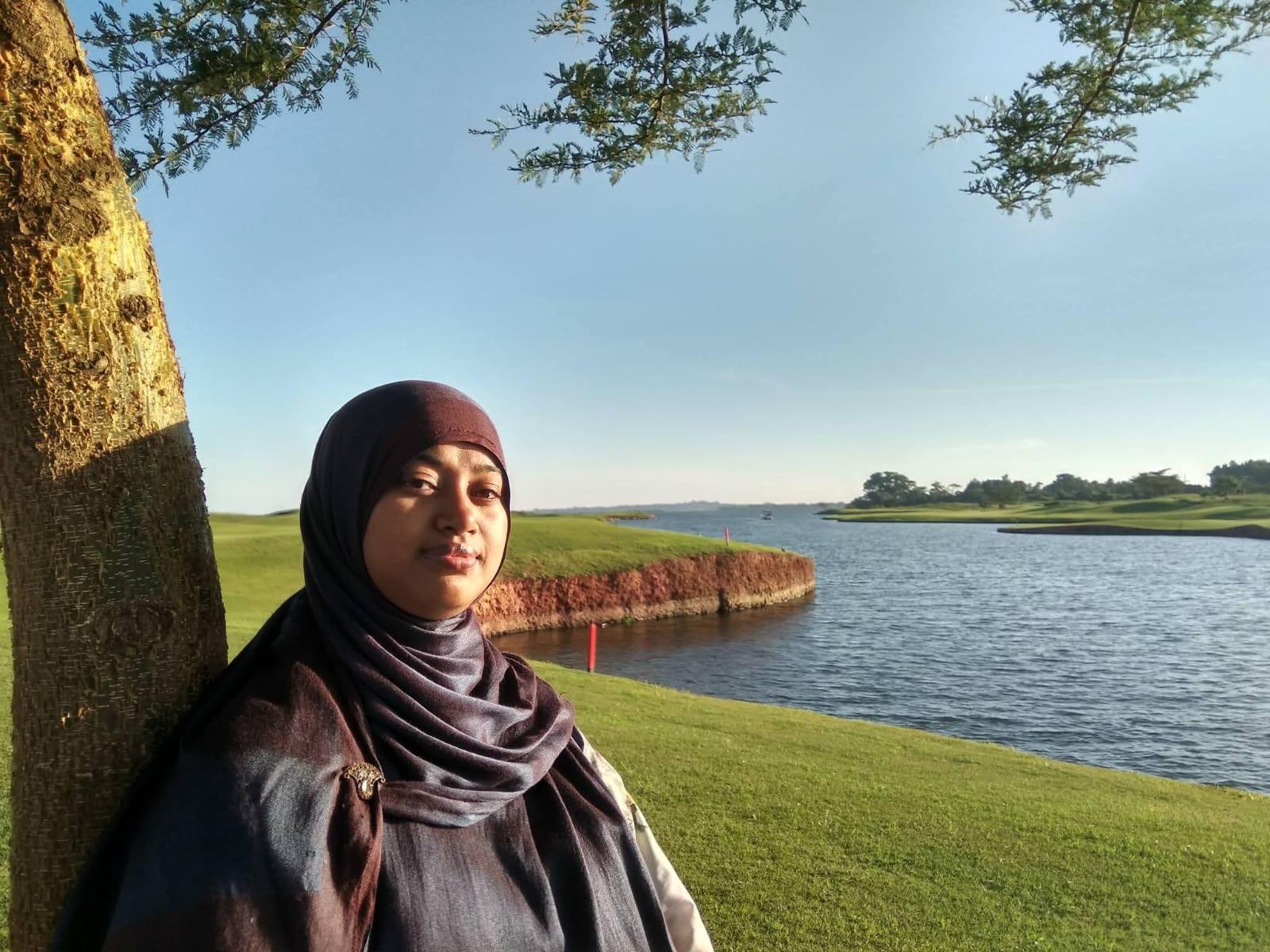
Asma Akhter, Deputy Director of the Demography and Health Wing of the Bangladesh Bureau of Statistics (BBS), began her career at the BBS 13 years ago with an academic background in Sociology from Dhaka University and a passion for data-driven policymaking. Since 2020, she has led the BBS Gender Statistics Cell which was created in 2017 under the Director General, with support and capacity-strengthening from Women Count since 2018. Akhter has also served as Focal Point for Phase II of the Women Count Bangladesh Programme from 2022–2025.
What drew you to a career in statistics and to take on a leadership role?
Early in my career, I recognized the impact statistics can have on shaping national priorities, particularly in health and population development. Over the years, I worked across multiple statistical domains, gaining experience in survey design, data analysis and policy advocacy.
My journey was not without challenges, especially as a woman in a male-dominated field. However, my commitment to improving statistical systems, combined with the support of progressive mentors, helped me grow into leadership roles. I was fortunate to work under the supervision of leaders who valued technical capacity over gender bias. Their mentorship and trust played a pivotal role in shaping my professional path.
What are some of these challenges you have faced as a woman in statistical leadership?
Challenges have included occasional skepticism towards women’s leadership contributions. At times, my technical suggestions were scrutinized more closely than those of my male colleagues. Balancing family responsibilities alongside the demands of fieldwork and reporting also requires careful management. However, these experiences strengthened my resolve to contribute meaningfully and to advocate for more gender-sensitive policies and greater representation of women in senior roles within BBS.
How have you overcome gender-based obstacles in your workplace?
I relied on persistence, technical excellence and building networks of support. I ensured that my work was always supported by data and evidence, which gradually built trust and recognition. I also sought out allies, both women and men, who valued inclusion and equality. Over time, I became more vocal about gender bias and advocated for changes within the institution. I also mentored junior women colleagues to help create a pipeline of future women leaders in statistics.
What continues to drive me is the tangible impact of our work when gender data are used to design inclusive policies, when women’s unpaid work is recognized in national accounts, or when gender-based violence data inform national response plans. These are powerful reminders of why our work matters.
What changes have you championed to improve the collection or use of gender statistics?
One of the most important changes I have championed is the institutionalization of gender indicators across existing surveys. We expanded modules on unpaid care work, time use and gender-based violence. I played a key role in leading the first comprehensive Time-Use Survey in Bangladesh in 2021, a landmark initiative that captured unpaid care work. Additionally, I contributed to the development of Bangladesh’s first official Household Production Satellite Account, providing economic valuation for unpaid domestic and care work in close collaboration with Nubayra Jeheen at UN Women Bangladesh, and with the technical support of UN Women country and regional teams. We also developed metadata for national gender indicators aligned with the SDGs, which improved harmonization across data sets.
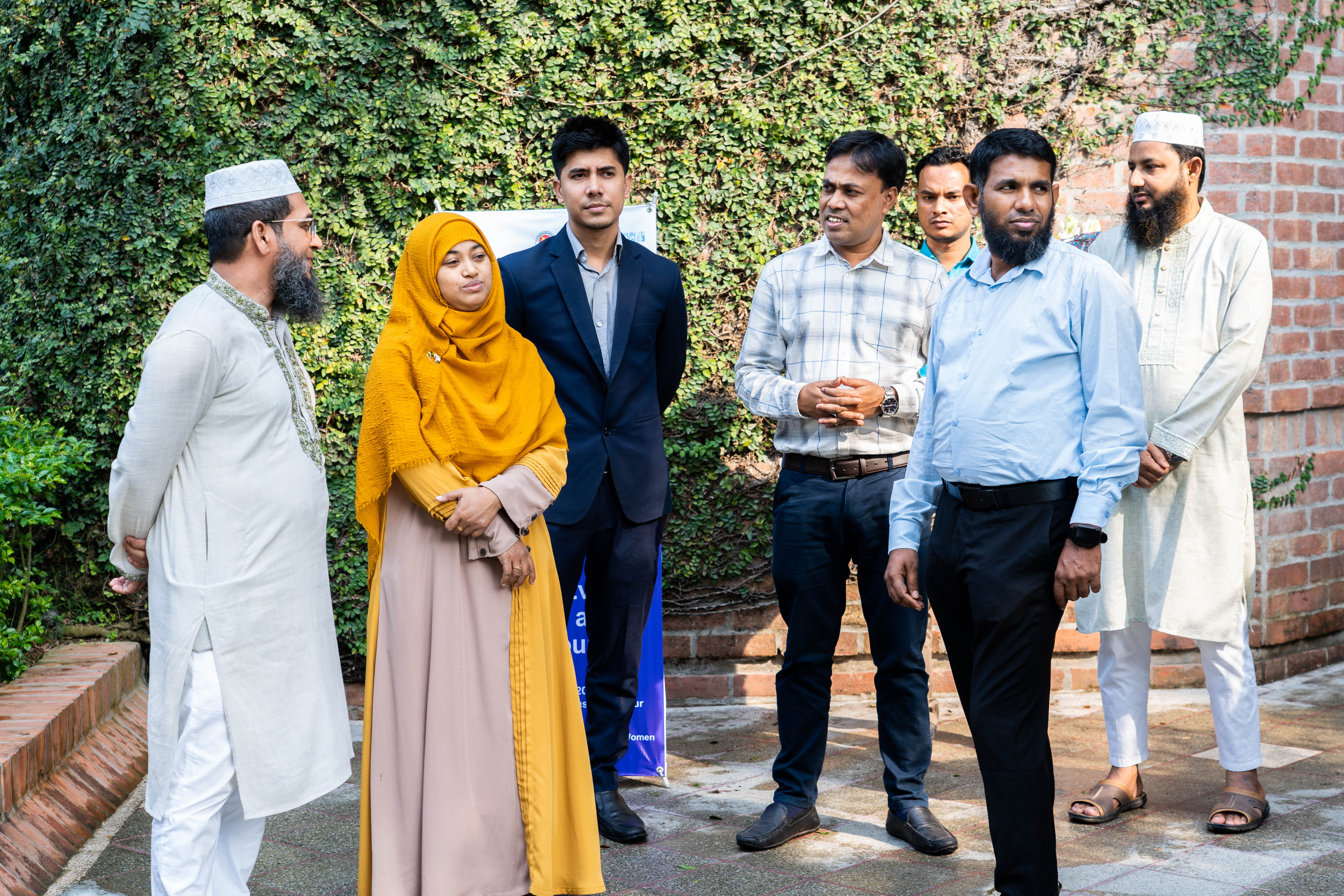
I have worked closely with ministries to increase the use of gender statistics in policy planning, particularly in the areas of health, education and social protection. I also conduct gender statistics training for BBS officials using Women Count materials. This has helped build their capacity to understand and apply gender data, strengthened their technical skills and promoted the use of evidence-based approaches to address gender inequalities.
Besides this, I am working to ensure the sustainability of gender statistics and financing by leading a fully government-funded programme, demonstrating that these efforts can be sustained beyond reliance on development partner funding.
How has your leadership influenced how gender data are perceived or used by policymakers?
Initially, gender data were often seen as supplementary or optional. Through targeted advocacy and capacity-building, I have worked to shift this perception. We organized dialogues between data producers and users, particularly engaging policymakers to demonstrate the value of the Time-Use Survey in crafting more responsive and inclusive policies. The data generated through the Time-Use Survey and Household Production Satellite Account have been critical in advocating for recognition of unpaid care in policy frameworks. As a result, there is now a growing demand from ministries and development partners for sex-disaggregated data and gender-focused analysis.
My leadership has also contributed to BBS being recognized as a proactive institution in addressing gender data gaps, both nationally and within the Asia-Pacific region.
How do you envision the future of gender data?
I envision a future where gender data are fully integrated into all statistical processes and recognized as essential for development. Women leaders will play a critical role in this transformation by advocating for inclusive methodologies, ensuring ethical data practices and amplifying the voices of marginalized groups. With more women in decision-making positions, statistical systems will become more responsive and equitable.
What would a gender-equitable statistical system look like to you?
A gender-equitable statistical system would ensure equal representation and leadership of women at all levels, produce data that reflect the lived experiences of all genders and actively inform inclusive and gender-responsive policymaking. To achieve this, we require institutional commitment, political will, sustained funding, a culture of accountability and a shift in our attitudes, mindsets and behaviour. Most importantly, we need to nurture a new generation of women leaders in statistics who will carry this vision forward.
What advice would you give to young women aspiring to careers in statistics and data leadership?
Believe in your capabilities, invest in your technical skills and never hesitate to voice your ideas. Statistics are a powerful tool for social change, and women bring valuable insights to the field. Seek mentors, stay curious, and be resilient in the face of challenges. Your presence in this field matters not just for your own growth but for the inclusive transformation of statistical systems.